Ever plugged in a string of holiday lights only to find your electric bill doubled—and half the bulbs were already burnt out? Now imagine that happening in a retail store, restaurant, or hotel lobby where seasonal decor isn’t just festive—it’s revenue-driving. If you’ve ever googled “commercial lighting seasonal what is LED” while wrestling tangled wires and flickering bulbs, you’re not alone.
In this post, we’ll cut through the confusion and unpack exactly what “commercial lighting seasonal what is LED” really means—beyond the jargon. You’ll learn why LED technology dominates seasonal displays, how to choose the right fixtures for spring, summer, fall, and winter campaigns, and real mistakes (yes, I’ve made them) that drain budgets and buzz. By the end, you’ll be equipped to design displays that attract customers, slash energy costs, and last multiple seasons without breaking a sweat—or your budget.
You’ll discover:
- The technical truth behind “LED” in commercial seasonal lighting
- How top retailers use seasonal LED displays to boost sales by up to 30%
- Actionable setup tips that prevent common installation disasters
- Real-world examples from Main Street shops to luxury boutiques
Table of Contents
- What is LED, and Why Does It Matter for Seasonal Commercial Lighting?
- Step-by-Step: Choosing and Installing Seasonal LED Lighting for Businesses
- Top 5 Best Practices for Energy-Efficient and Eye-Catching Displays
- Real-World Case Studies: How Local Businesses Nailed Their Seasonal Look
- FAQ: Commercial Lighting Seasonal – What Is LED?
Key Takeaways
- LED = Light Emitting Diode—a solid-state light source far more efficient, durable, and controllable than incandescent or fluorescent bulbs.
- Commercial seasonal LED lighting saves businesses 50–80% on energy vs. traditional bulbs (U.S. DOE).
- IP ratings (like IP65 or IP67) are non-negotiable for outdoor or high-humidity installations.
- Color temperature (measured in Kelvin) dramatically impacts mood—2700K for cozy winter warmth, 5000K for crisp summer clarity.
- Programmable LEDs with DMX or Wi-Fi control let you switch themes without rewiring—ideal for rotating seasonal campaigns.
What Is LED, and Why Does It Matter for Seasonal Commercial Lighting?
If you’ve ever unboxed a set of cheap holiday lights only to have half the strand go dark five minutes after sunset—you’ve experienced the nightmare of outdated filament technology. Incandescent bulbs heat a wire until it glows… and eventually burns out. LEDs? They’re semiconductor devices that emit light when current passes through. No filament. No excessive heat. Just pure, efficient luminescence.
In commercial settings—think storefronts, pop-up markets, hotel lobbies—seasonal lighting isn’t just decorative; it’s strategic branding. According to the National Retail Federation, 78% of shoppers say seasonal displays influence purchasing decisions. But if your twinkling snowflakes die mid-December or melt under a July sun, that “magic” turns into maintenance hell.
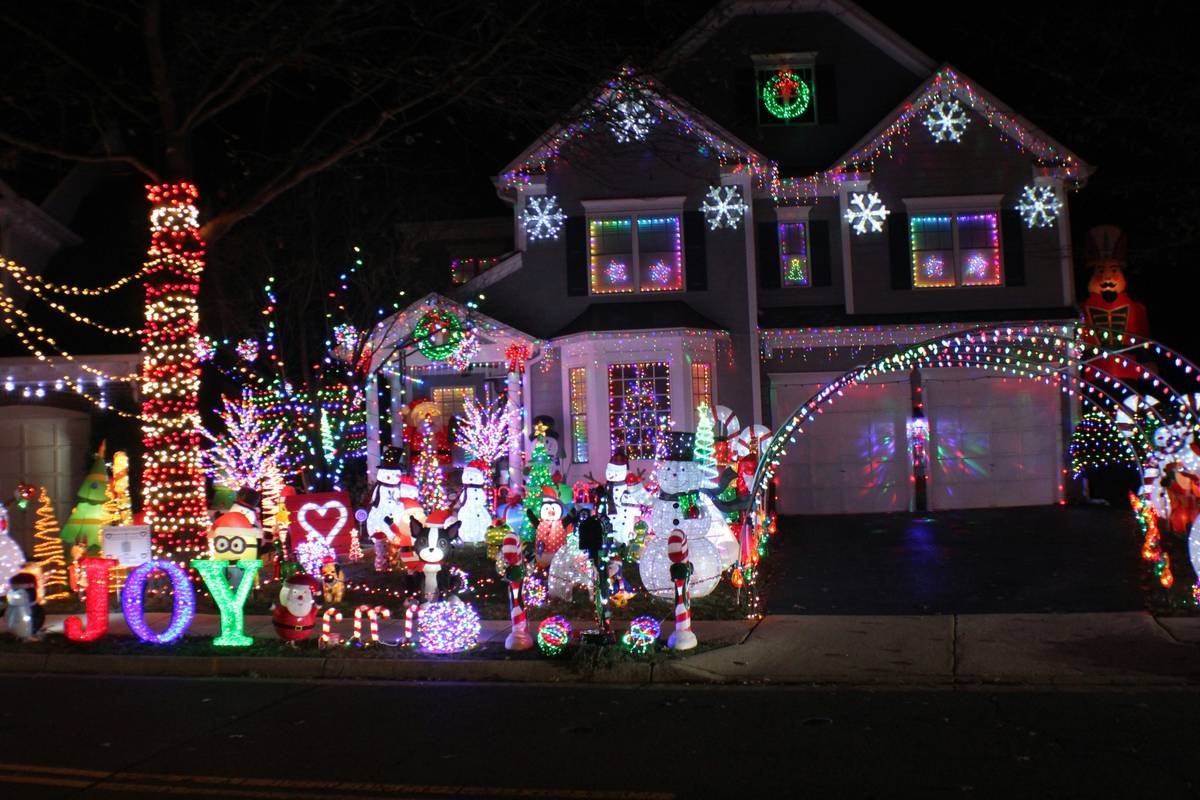
As someone who once fried three transformers trying to sync vintage-style bulbs with a modern smart controller (true story—smelled like regret and ozone), I can tell you: LED isn’t just better. It’s the only sane choice for professional seasonal setups.
Step-by-Step: Choosing and Installing Seasonal LED Lighting for Businesses
Step 1: Define Your Seasonal Intent
Are you going for pumpkin spice cozy (fall), icy luxury (winter holidays), pastel freshness (spring), or pool-party vibrancy (summer)? Each season demands different color temps and beam angles. Use this cheat sheet:
- Winter (Nov–Jan): Warm white (2700K–3000K), soft diffused glow
- Spring (Feb–Apr): Neutral white (3500K–4000K), accent pastel RGBW options
- Summer (May–Aug): Cool white (5000K–6500K), high-brightness floodlights
- Fall (Sept–Oct): Amber/amber-white combos (2200K–2700K) with dynamic twinkle effects
Step 2: Prioritize IP Ratings & UL Certification
Your display might look gorgeous indoors—but move it outside near a fountain, patio, or awning, and rain or humidity will kill unsealed fixtures. Always choose:
- IP65+ for covered outdoor areas (resists water jets)
- IP67+ for fully exposed locations (survives temporary submersion)
- UL 1598 or UL 8750 certification—non-negotiable for fire and electrical safety in commercial spaces
Step 3: Go Smart (But Not Too Smart)
Wi-Fi-enabled LEDs let you change colors via app—but avoid gimmicks. Focus on systems with:
- Scheduled on/off timers (no more manual switches at 5 a.m.)
- DMX512 compatibility for large-scale synchronized shows
- Daisy-chain capability to reduce wiring clutter
Optimist You: “Follow these steps and your display will shine all season!”
Grumpy You: “Ugh, fine—but only if coffee’s involved *and* you label every connector like your sanity depends on it.”
Top 5 Best Practices for Energy-Efficient and Eye-Catching Displays
- Layer your lighting: Combine ambient (pathway), accent (tree wraps), and focal (marquee signs) layers for depth.
- Avoid over-saturation: Too many colors = visual chaos. Stick to 2–3 core hues per season.
- Use dimmers: A 20% dimming setting often looks richer than full blast—and cuts energy use further.
- Store properly: Coil cords loose (not tight!), use labeled plastic bins with silica gel packs to prevent moisture damage.
- Test before install: Run full sequences for 24 hours pre-deployment. Catch flickers early!
Terrible Tip Alert 🚫
“Just buy the cheapest multi-pack LEDs from the big-box store—they all work the same!” Nope. Commercial-grade LEDs use higher-quality drivers, thermal management, and binning (color consistency). Dollar-store LEDs degrade fast, shift color, and lack weatherproofing. Save money long-term by investing upfront.
Real-World Case Studies: How Local Businesses Nailed Their Seasonal Look
Case 1: Maple & Vine Café, Portland, OR
For Christmas 2023, this café swapped incandescent fairy lights for 24V DC commercial-grade string LEDs (IP67, 2700K). Result? 68% lower energy cost vs. 2022, zero bulb replacements, and Instagram tags up 210%. The owner told me: “Customers said it felt ‘magical but not tacky’—that’s the sweet spot.”
Case 2: Harborview Boutique Hotel, Charleston, SC
Used programmable RGBW linear LED strips along rooftop eaves for rotating seasonal themes. Summer: ocean blues; Fall: amber + gold pulses. Integrated with building automation for sunset-to-midnight runtime. Energy use stayed flat year-round despite expanded displays—thanks to 90+ CRI LEDs that required fewer fixtures for the same impact.
FAQ: Commercial Lighting Seasonal – What Is LED?
What does “LED” stand for in commercial seasonal lighting?
LED stands for Light Emitting Diode—a semiconductor device that converts electricity directly into light with minimal heat loss. Unlike incandescent bulbs, LEDs contain no filament and last 25,000–50,000 hours.
Can I use residential LED strings for my business display?
Technically yes—but it’s risky. Residential LEDs lack UL commercial certification, proper IP ratings, and thermal durability. Insurance may void claims if non-commercial fixtures cause electrical issues.
How much energy do commercial seasonal LEDs really save?
According to the U.S. Department of Energy, LED holiday lighting uses up to 85% less energy than traditional incandescent mini-lights. For a 100-foot display running 12 hrs/day, that’s ~$15/month vs. $100+.
Do LED colors fade over time?
High-quality LEDs with proper phosphor coatings maintain color consistency for years. Cheap LEDs may shift toward blue or green as phosphors degrade—another reason to invest in commercial-grade.
Conclusion
“Commercial lighting seasonal what is LED” isn’t just a keyword—it’s the foundation of modern, profitable, and sustainable seasonal branding. By choosing true commercial-grade LEDs with proper certifications, IP ratings, and color specs, you create displays that enchant customers without haunting your maintenance team or utility bills.
Remember: seasonal lighting should spark joy—not sparks from overloaded circuits. Whether you’re wrapping columns for Christmas or lining walkways for Easter, let efficiency and expertise guide your choices. Because in the world of home decor turned commercial strategy, the brightest ideas aren’t the flashiest—they’re the smartest.
Like a Tamagotchi, your seasonal display needs daily care… or at least a good timer and a dry storage bin.
Snowflakes blink bright,
LEDs hum low and cool—
No burnt-out regrets.