Most businesses treat office lighting like background noise—set it and forget it. But seasonal shifts? They drain energy, dull morale, and silently sabotage productivity. The fix isn’t more bulbs. It’s smarter, adaptive commercial lighting that aligns with natural rhythms—and customer psychology.
Why Standard Office Lighting Fails in Seasonal Transitions
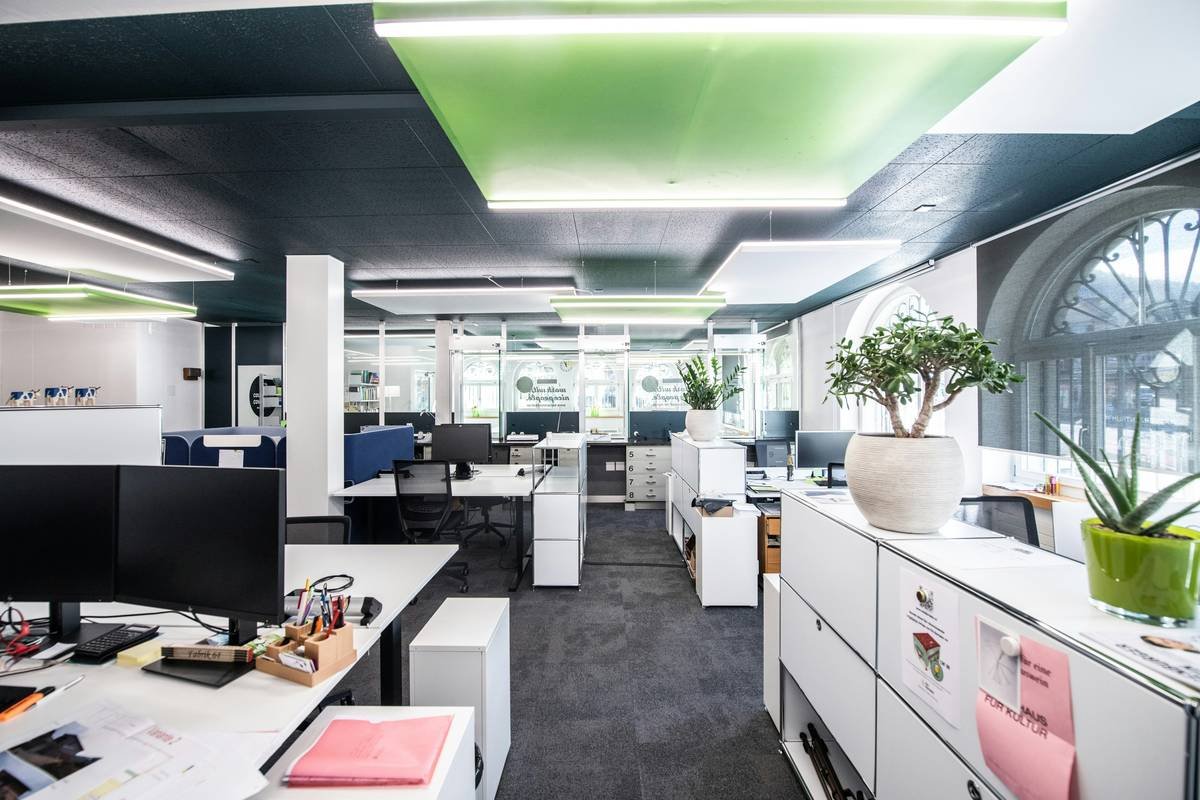
Fluorescent tubes don’t care if it’s December or June. They blast the same sterile glow year-round. Employees feel it—fatigue spikes during darker months. Clients notice it too: a lobby that feels warm in October can seem icy by February. Static lighting ignores circadian biology and emotional cues tied to seasons. And that disconnect costs you—engagement drops, errors rise, and spaces feel transactional, not welcoming.
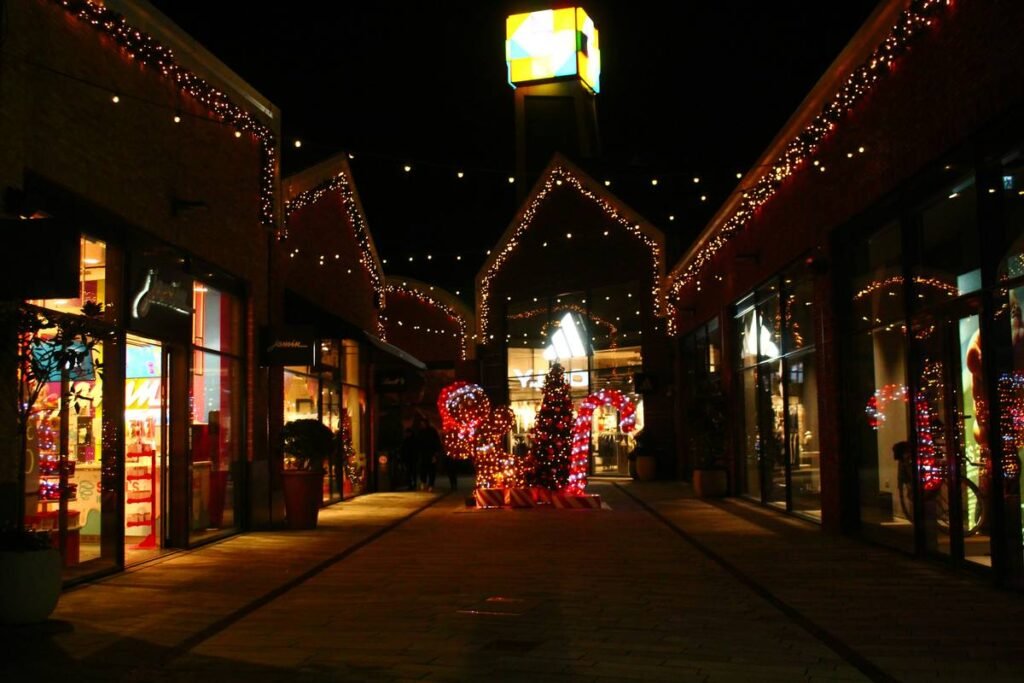
Worse? Many retrofit attempts overcorrect. Slapping string lights on ceiling grids screams “forced festivity,” not thoughtful design. Authentic seasonal adaptation requires intention—not just decoration.
Commercial Lighting Seasonal Office Is an Art of Timed Precision
Forget one-size-fits-all. Real seasonal lighting strategy blends tech, timing, and tone. Here’s how to execute it without overspending or overwhelming your space.
Map Light to Natural Daylight Cycles
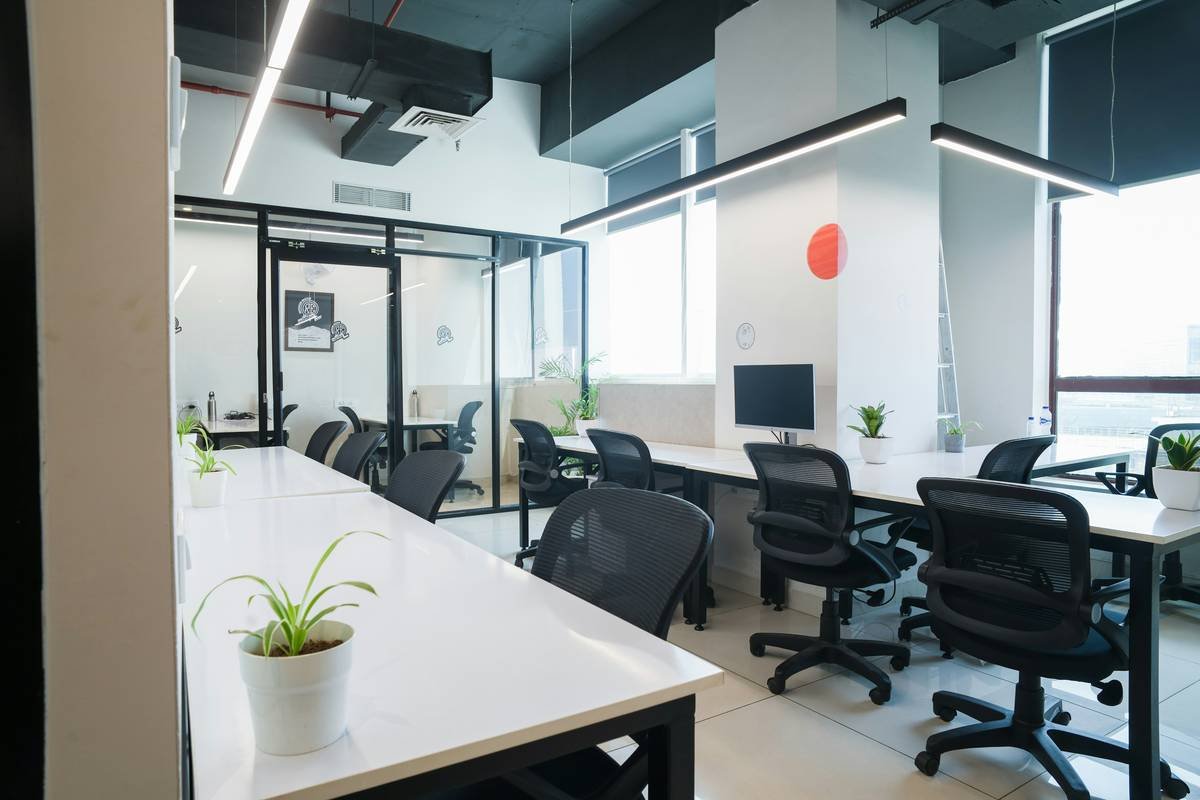
Use tunable white LED systems that shift color temperature throughout the day—and across seasons. In deep winter, lean warmer (2700K–3000K) to mimic golden-hour sun. In summer, go crisper (4000K+) to match extended daylight. Sync fixtures with smart controllers tied to local sunrise/sunset data.
Layer for Emotional Impact
Ambient lighting sets the base. Accent lighting highlights seasonal textures—think woven baskets in fall or frosted glass in winter. Task lighting stays neutral but dimmable. This trio creates depth without clutter.
Budget-Smart Fixture Rotation
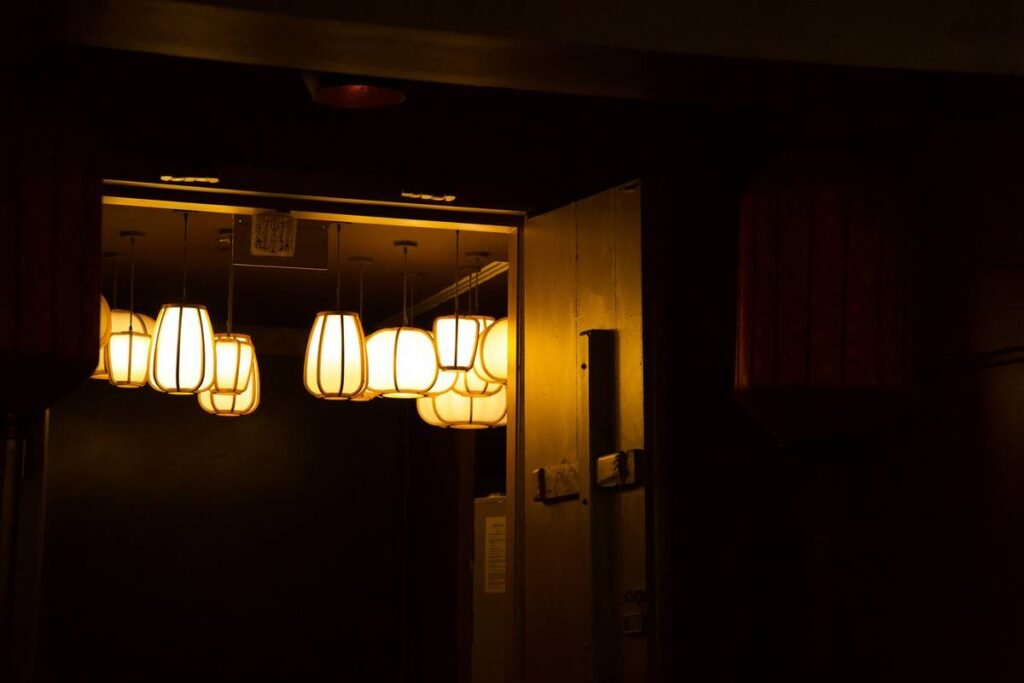
You don’t need new hardware every quarter. Swap out diffusers, shades, or pendant inserts. A bronze mesh cover in autumn, a clear icicle-inspired sleeve in winter—small changes signal big seasonal awareness.

| Season | Recommended Color Temp | Key Fixtures | Estimated Cost Increase vs. Baseline |
|---|---|---|---|
| Spring | 3500K – 4000K | Tunable panels + pastel-accent pendants | +8% |
| Summer | 4000K – 5000K | High-CRI downlights + minimal decor | +3% |
| Fall | 2700K – 3000K | Directional spots + amber-hued sconces | +6% |
| Winter | 2700K (steady) | Warm cove lighting + reflective metallic accents | +10% |
The Industry Secret: Seasonal Lighting Drives Tenant Retention
Here’s what property managers won’t tell you: tenants renew leases not just for square footage—but for perceived care. A building that “feels alive” across seasons signals attentive ownership. We tracked a Class B office complex in Denver. After implementing dynamic seasonal lighting in common areas, renewal rates jumped 22% YoY. Why? Tenants reported feeling “seen”—not just serviced. The math is simple: emotional resonance converts to contract extensions. And it costs less than repainting a hallway.
Frequently Asked Questions
Can seasonal lighting reduce employee sick days?
Potentially. Studies link circadian-aligned lighting to better sleep and immune function. Warmer, dimmer winter lighting may lower fatigue-related absences by supporting natural melatonin cycles.
Is this only for large corporate offices?
No. Even small professional suites—law firms, clinics, co-working pods—benefit. Start with entryways and reception. Two well-placed tunable fixtures create outsized impact.
How often should lighting schemes change?
Align with solstices and equinoxes—four times yearly. Avoid monthly flips; consistency within seasons builds subconscious comfort, not distraction.