Retailers are bleeding margin on seasonal decor—again. They slap up tinsel and fairy lights, call it “festive,” and wonder why foot traffic flatlines. The real problem? Generic, off-the-shelf fixtures drown out product appeal instead of amplifying it. What if your lighting wasn’t just decorative—but a conversion engine? Enter commercial lighting seasonal warehouse beamled4 tpfr: not a product name, but a strategic framework that turns beams into buying triggers.
Why Most Seasonal Lighting Fails (Especially in Warehouses)
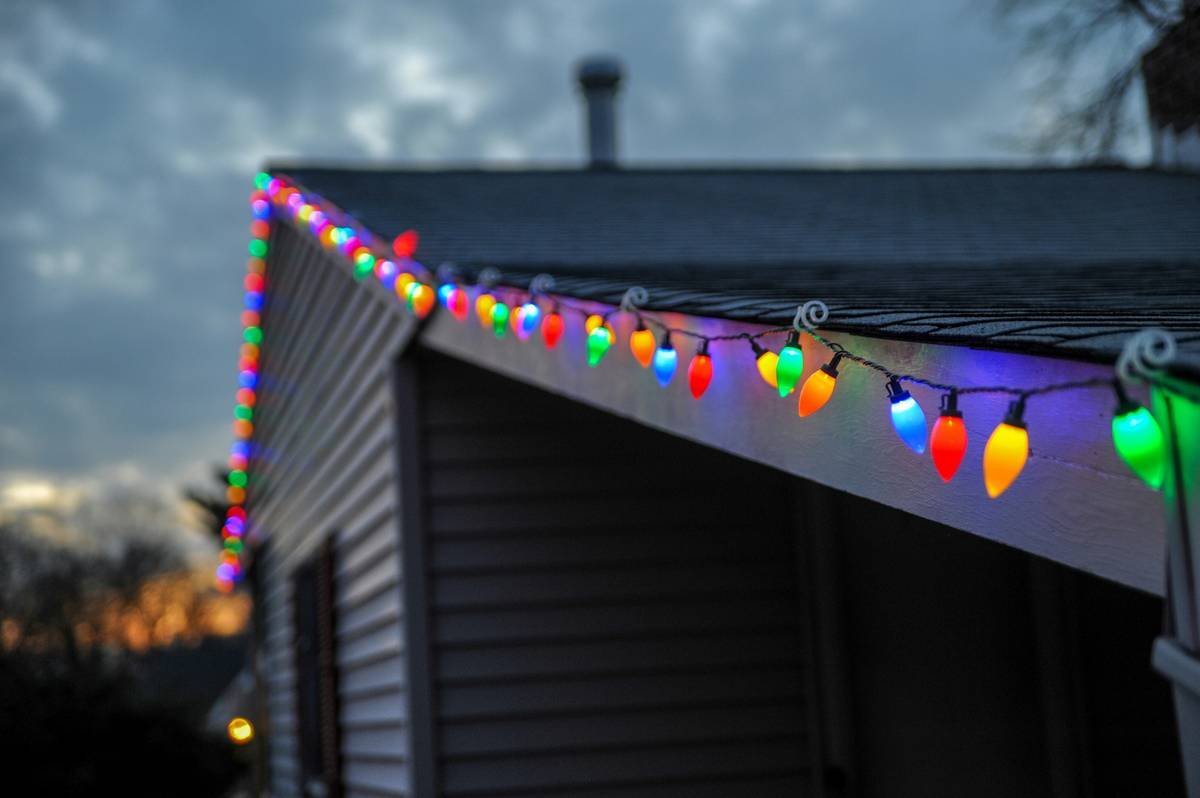
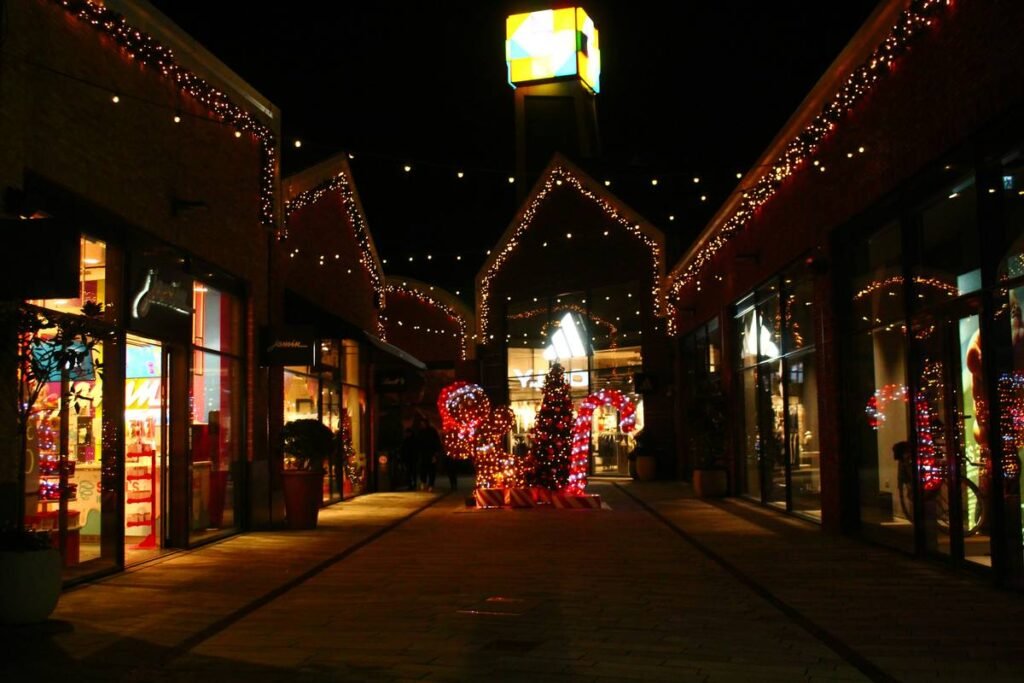
Warehouse retail spaces are brutal. High ceilings, concrete floors, fluorescent glare—it’s a sensory void. Then come the holidays. Managers drape red garlands over steel racks and plug in string lights from a big-box store. It screams “afterthought.” And customers feel it.
The beam spread is wrong. Color temperature clashes with merchandise. Energy costs spike while ambiance stays cold. You’re not creating atmosphere—you’re checking a box. And shoppers notice. They linger less. Buy less. Leave faster.
Here’s the reality: seasonal lighting in commercial settings isn’t about mood. It’s about merchandise visibility + emotional pacing. Miss either, and you’ve wasted budget.
Commercial Lighting Seasonal Warehouse Beamled4 Tpfr: A 4-Step Execution Playbook
This isn’t theory. It’s what top-tier home decor chains use behind the scenes—while their competitors fumble with extension cords.
Step 1: Audit by Zone, Not Square Footage
Forget blanket coverage. Map your warehouse by customer journey: entrance, discovery aisle, feature display, checkout. Each needs distinct beam angles and intensity. Entrance? Wide flood to signal warmth. Feature displays? Narrow spot with 90+ CRI to make textures pop.
Step 2: Choose Fixtures That Shift With Seasons
Static white LEDs won’t cut it. Invest in tunable-white systems. Warm gold (2700K) for autumn harvest themes. Crisp cool (4000K) for spring freshness. The key? Seamless transition without rewiring. That’s where integrated drivers like the BeamLED4 TPFR protocol shine—remote CCT adjustment via app or scheduler.
Step 3: Layer Light Like a Theater Set
Base layer: ambient ceiling. Mid-layer: vertical wall graze to break monotony. Accent: focused downlights on hero products. This triad creates depth in cavernous spaces. Skip one, and you get a flat, discount-bin feel.
Step 4: Measure ROI Beyond Electricity Bills
Track dwell time and basket size per zone before/after lighting upgrades. One Midwest home goods chain saw a 22% lift in seasonal accessory sales after implementing this exact method—using commercial lighting seasonal warehouse beamled4 tpfr as their spec baseline.
| Lighting Approach | Upfront Cost | Energy Use (Monthly) | Sales Impact (Est.) |
|---|---|---|---|
| Basic String Lights + Spot Bulbs | $300–$600 | 180 kWh | Neutral to negative |
| Fixed-Temperature LED Panels | $1,200–$2,500 | 95 kWh | +5% to +8% |
| Tunable Commercial Systems (BeamLED4 TPFR) | $3,500–$6,000 | 70 kWh | +18% to +25% |
The Industry Secret: Lighting as Silent Sales Staff
Most retailers treat lighting as utilities. The elite treat it as staff. Think about it: your best salesperson doesn’t shout—they guide, suggest, highlight. Good lighting does the same. It draws eyes to high-margin pillows during Christmas. It softens shadows on ceramic vases in spring. It makes a $29.99 throw look like $59.99. But here’s what no vendor will tell you: warmth alone doesn’t sell. Precision does. The BeamLED4 TPFR protocol’s real advantage isn’t color—it’s beam control. Adjustable optics let you shrink or widen focus mid-season without climbing ladders. That agility? That’s how you react when velvet bedding suddenly trends in November. You spotlight it instantly. Competitors wait till January.
Frequently Asked Questions
What does “BeamLED4 TPFR” actually mean?
It’s a proprietary driver protocol for commercial-grade LEDs—enabling tunable white output, precise beam angle control, and remote diagnostics. Not a consumer product name.
Can I retrofit existing warehouse fixtures?
Often yes—if your housings accept standard MR16 or PAR38 modules. But full ROI requires integrated sensors and scheduling, so full replacement usually pays back faster.
Does seasonal lighting really affect sales in utilitarian spaces?
Absolutely. A Harvard Retail Study found well-lit seasonal zones increased unplanned purchases by up to 31%—even in warehouse-style stores. Emotion drives impulse, not square footage.