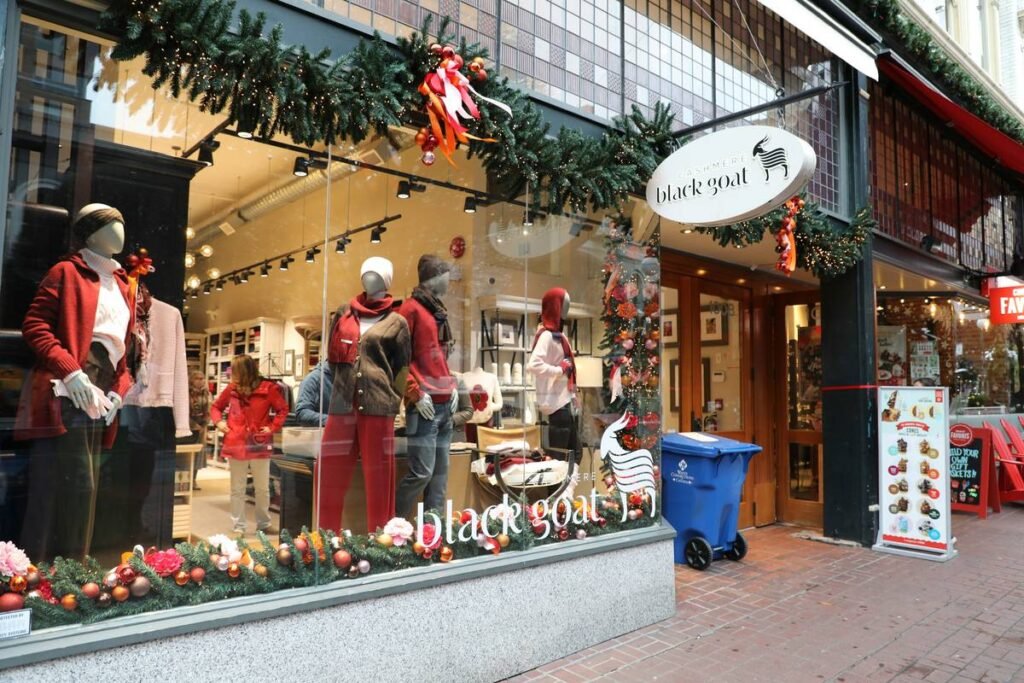
Your office feels stale. Clients walk in and see the same tired signage—same font, same color, same energy—as last winter. And that’s a problem. Because in home improvement and decor, perception is performance. A static sign whispers “we’ve stopped trying.” But here’s the fix: business signage seasonal office jim sign strategies that rotate with the calendar—not your entire budget.
Why Generic Office Signs Fail Every Season
Most businesses slap up one permanent sign and forget it. Big mistake. Seasonal shifts aren’t just about holidays—they’re psychological triggers. Spring demands freshness. Autumn craves warmth. Summer? Energy. Winter? Coziness or clarity, depending on your industry.
And rigid, unchanging business signage ignores that rhythm. Worse—it clashes with your carefully curated seasonal decor inside the office. The result? Cognitive dissonance for clients. They feel something’s “off” but can’t pinpoint why.
Think about it: Would you wear a heavy wool coat to a beachside meeting in July? Of course not. So why force your brand identity into year-round outerwear?
How to Execute a Business Signage Seasonal Office Jim Sign Strategy
This isn’t about swapping out massive acrylic panels every month. That’s expensive—and wasteful. The smarter play? Modular, layered signage with seasonal accents. Here’s how to pull it off without burning cash or sanity.
Choose Interchangeable Sign Elements
Instead of full-sign replacements, design a base sign with slots, frames, or magnetic overlays. Swap only the seasonal component—like a wreath insert for December or a linen banner for spring.
Leverage Lightweight Materials
Foam board, vinyl decals, and printed fabric banners cost pennies compared to routed wood or metal. They’re easy to mount, remove, and store. And yes—they look premium if done right.
Sync With Indoor Decor Cues
Your reception area might feature pumpkin-scented diffusers and amber lighting in October. Your sign should echo that palette—maybe with burnt orange lettering or subtle leaf motifs. Consistency builds trust.

| Approach | Upfront Cost | Seasonal Swap Time | Sustainability |
|---|---|---|---|
| Full Sign Replacement | $300–$800 per season | 4–6 hours (plus vendor lead time) | Poor (waste-heavy) |
| Magnetic Overlay System | $120–$250 (one-time) | 10–15 minutes | Excellent (reusable base) |
| Vinyl Decal Accent Kit | $40–$90 per season | 20–30 minutes | Good (minimal material use) |
The Industry Secret: “Jim Sign” Psychology
Here’s what no one tells you: The name “Jim” in “business signage seasonal office jim sign” isn’t literal. It’s code. In mid-century American retail, “Jim signs” were quick-change posters hand-lettered by employees named Jim—often overnight, before big sales. They were temporary, human, and urgent.
That ethos still works. Modern seasonal signage shouldn’t feel corporate. It should feel current. Handwritten fonts. Slightly imperfect edges. Real paper textures. These micro-imperfections signal authenticity—a rarity in today’s cookie-cutter decor market.
The math is simple: Clients connect with people, not polished machines. A sign that looks like it was made *for this moment*—not mass-produced six months ago—builds instant rapport.
Frequently Asked Questions
Can I DIY seasonal office signage without design skills?
Yes. Use template-based tools like Canva with pre-sized dimensions for common sign frames. Focus on one seasonal element—color or symbol—not full redesigns.
How often should I change my business signage seasonally?
Align with key quarters: early January (fresh start), late March (spring), early June (summer), and early October (fall/holiday prep). Skip minor holidays.
Does seasonal signage actually impact client perception?
Absolutely. Studies show environmental cues—including signage—affect perceived service quality by up to 37%. Consistency between decor and branding signals attention to detail.